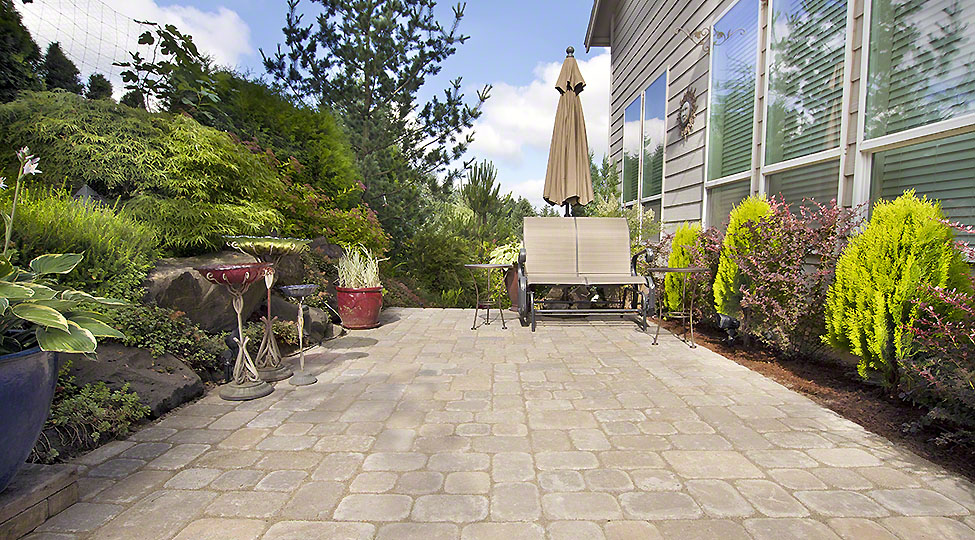
Patios are great outdoor living spaces, but many also require care and maintenance. Otherwise, they will look bad, out of shape, and fade or get damaged sooner rather than later. So, if you want a low-maintenance patio, here are some tips to remember. Plus, communicate your preferences with the patio builder to get the type and style of patio you want.
Low-Maintenance Patio Building Tips
Pick A Low-Maintenance Material
The material you choose for your patio will directly impact its maintenance, durability, cost, and all other factors. Here are some low-maintenance patio material options you can choose:
Poured Concrete
Poured concrete has many great things going for it. As it’s one huge slab of concrete, it doesn’t have any seams or gaps where dust will settle or weeds will grow. So, it’s very low maintenance. Apart from sealing every 2-3 years, you don’t need to do anything other than just sweep or pressure wash whenever you feel like.
In addition to that, poured concrete is highly durable and low cost. This kind of combination is difficult to find in patio materials when it’s low maintenance, durable, and low cost.
However, there are some drawbacks, like it’s prone to cracking (even though they are not structural cracks), hard to repair, and no color variety (in standard poured concrete).
You can remedy the last problem by spending more to get the concrete stamped. With this, you can make the concrete surface look like any material, such as natural stone, wood, brick, etc.
Porcelain Outdoor Pavers
Porcelain pavers are incredibly low maintenance as they are durable, non-porous, stain-resistant, and UV-resistant. So, not only do you not have to seal porcelain pavers, but they resist stains and fading as well. Plus, the color and design variety is wide. This makes for a unique combination of qualities that makes it a promising choice whether you want a low maintenance material, a durable one, or prefer variety.
That said, porcelain pavers are costlier than other ceramics, but they belong to medium range materials if compared to other patio paver options.
Porcelain pavers do have grout lines, which may need more cleaning and care than the pavers. They can be brittle and difficult to install. They can also be slippery when wet if a textured finish is not selected.
When buying, make sure to ask for outdoor porcelain tile as they are more durable than indoor porcelain tiles.
Resin-Bound Gravel
If you like gravel patios but hate raking and keeping the gravel stones together regularly, then install a resin-bound gravel patio. It has the same gravel stones (natural aggregate stone), but they are mixed with transparent resin that makes them bind together. This makes it a very low-maintenance and low-cost patio option because the resin resists weed growth while offering excellent drainage. You don’t need to rake and refill. The only thing required is to keep it clean.
However, cleaning is still more difficult than porcelain tiles and poured concrete, because dust and debris can get stuck between the locked stones.
Sintered Stone Pavers
Sintered stone is a very durable, non-porous, and low-maintenance synthetic material. It’s also resistant to stains and scratches. The only factor against it is the cost. It’s one of the costliest pavers. You can get many of the same benefits with porcelain outdoor pavers at 50%-60% lower cost than sintered stone pavers.
Concrete Pavers
Another concrete option is concrete pavers that are low-cost and low-maintenance. You have durable concrete pavers with polymeric joint sand. You need to refresh the sand every 5 to 7 years and seal the pavers every 2-5 years. This is more work than poured concrete, but you have many color options and patterns to pick.
Sealing is optional, but it helps keep the patio more low-maintenance. Plus, the pavers stay stain-free and vibrant if sealed regularly. They also work well as a pool deck. You can hire a pool contractor Long Island for the right pool deck materials.
Choose Grout Carefully For Pavers
If you’re installing a paver patio, even when you choose a low-maintenance material, like porcelain tiles or concrete pavers, the wrong grout can make the patio require more maintenance. You need a type of grout that works with your selected material and is durable and waterproof.
Therefore, epoxy grout is usually the best option for most pavers. It stays intact for years and doesn’t let water in, and also keeps stains away. However, you can use it only if you install tiles or pavers with narrower grout lines. You can use it for porcelain, concrete, and some stone pavers.
Another low maintenance grout option is polymeric grout that works well with concrete and natural stone pavers.
Don’t Ignore Professional Installation
Professional installation costs more, but if you want a low-maintenance patio, you should consider hiring an expert for proper installation. That’s due to the fact that many DIY installations are far from perfect. These imperfections lead to problems that need regular upkeep, repairs, and maintenance. For instance, filling pavers looks easy, but it must be done properly. If not, the filling may shrink and sink, leading to problems.
So, spending money on hiring a professional will save you money and effort in the long term.
Choose Plants Carefully
Plants look beautiful on patios, but they require maintenance. Therefore, try some ways to reduce upkeep, such as using drought-tolerant plants, getting pots for plants instead of choosing built-in plants, and picking self-cleaning plants.
Add A Shade Structure
Adding a shade structure may look like more expense, but if you can afford it, it can make your patio less vulnerable to rain, snow, and UV rays. So, you can install a pergola or awning to keep the area shaded. To keep it low maintenance, pick durable materials such as composite or aluminum.
Use A Heavy-Duty Landscape Fabric In Place Of Plastic
When using a layer of protection below the base layer, you should avoid plastic, as it will degrade and allow weed growth very soon. So, if your patio material requires a landscape fabric for protection against weeds, make sure to pick a high-quality landscape fabric that won’t degrade over time and protect your paver or gravel patio from weeds.
Choose Large Format Pavers
Small tiles have more joints, so more space to clean and keep weeds and moss out. Therefore, consider large format pavers with narrow lines and epoxy grout. If you don’t like grout lines at all, install a poured concrete patio.
Avoid Drainage Mistakes
Drainage is a critical factor that keeps your patio from having puddles of water. Poor drainage can lead to standing water that will cause damage. This means more repairs and maintenance. So, make sure to follow drainage best practices, such as ensuring a proper slope, correct slope direction, proper pipe sizing, choosing the right drainage system, etc., for a dry and long-lasting patio.
Conclusion
For a low-maintenance patio, choose the right materials like poured concrete or porcelain pavers, pick the right type of grout if required, and also consider professional installation. For help, consult patio contractors Long Island.